
Dog training advice and information from two top Los Angeles dog trainers and behavior specialists.
Laura Bourhenne/Kim Rinehardt
If your dog barks, is fearful or just needs some basic dog obedience we are here to help. We talk about specific issues as well as conceptual things that help you build a better relationship with your dog.
All Podcast Episodes Also Available on:






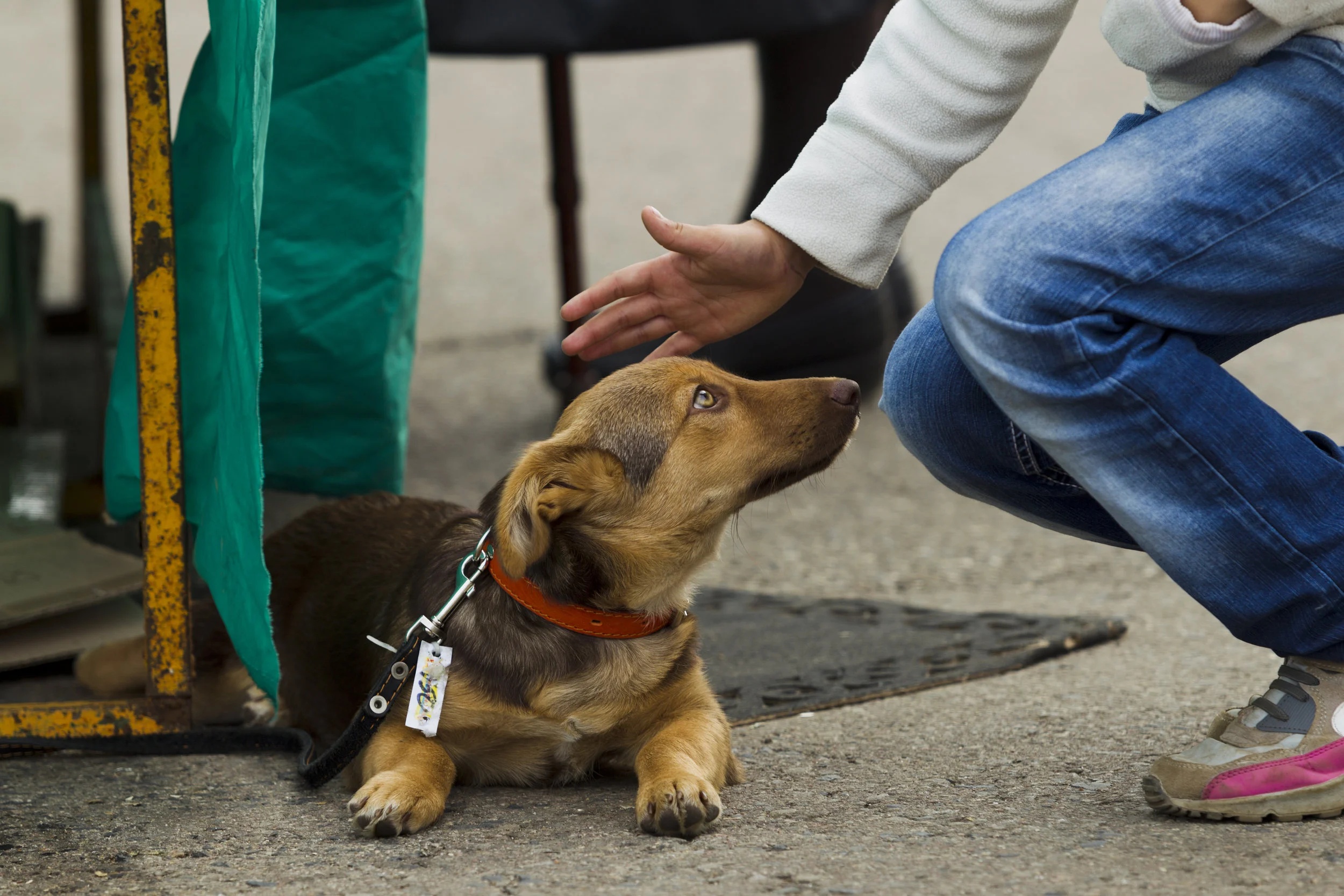
The Human Part of Body Language
The fact is that dogs learn body language faster than verbal cues. We are a verbal species but dogs are a visual species. They must learn the body language of other dogs and those around them in order to successfully maneuver their way through life. It’s a survival skill, plain & simple.
Often, we think our dog knows a verbal cue when we are actually giving the tiniest visual cue as well. If you aren’t sure what your dog is picking up on then videotape yourself and see what your dog is seeing. When we work with our dogs it is important that we are aware of what our body is saying to the dog as well as the verbal cues we give. For example: if our mouth says “stay” but our body language says “come”, our dog will come to us. This is one great reason to practice moving around when teaching stay, instead of doing the all too common “stand frozen in front of your dog” routine. The entire reason we teach stay is so they won’t move while we are doing something else.