
Tips for Dog Owners
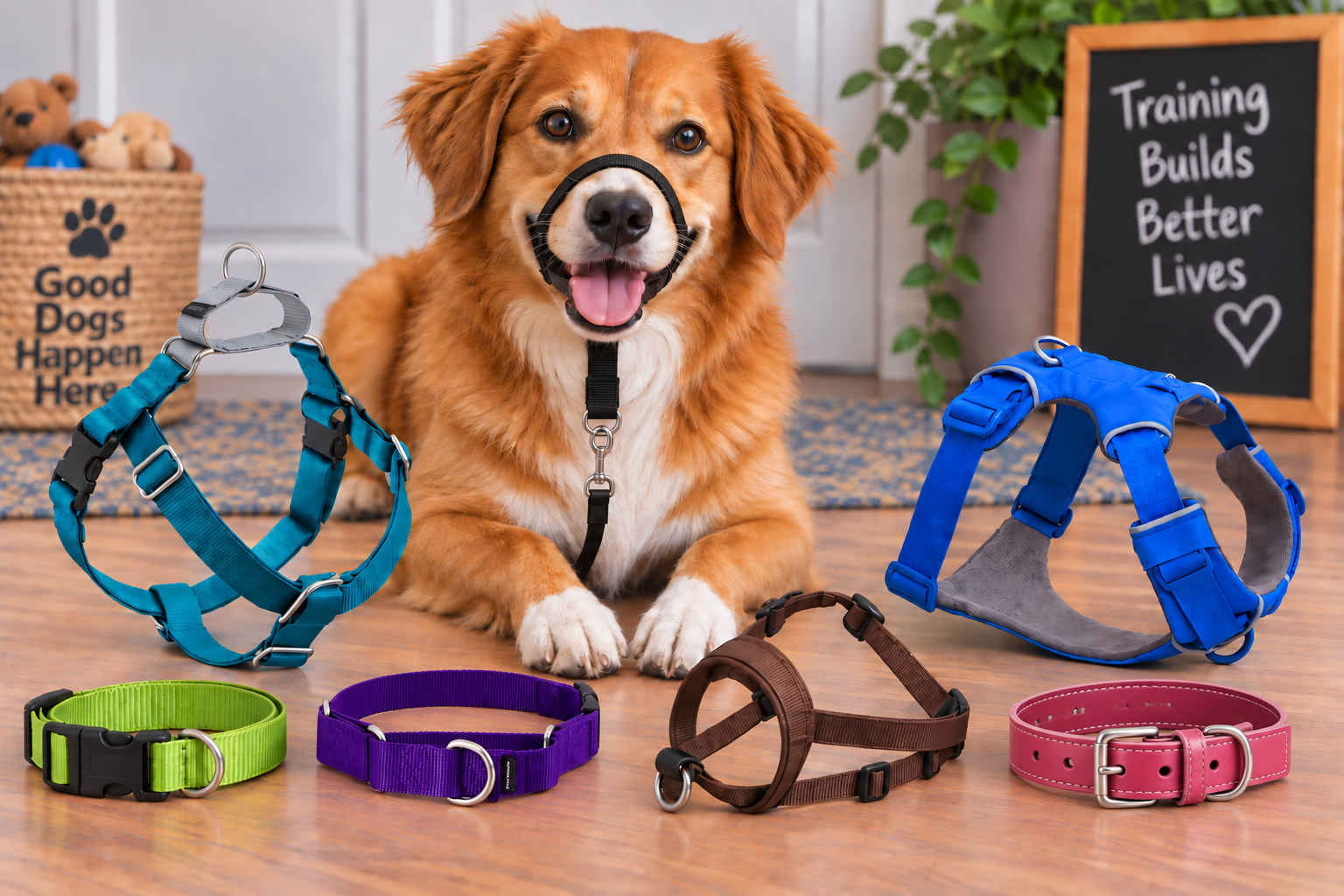
Choosing the Right Dog Training Collar or Harness: A Complete Guide
"The right choice ultimately comes down to your dog’s specific needs: For the strong puller who needs to learn manners: A front-clip harness. For the well-behaved walker who just needs ID tags: A comfortable flat collar. For the escape artist who slips out of standard collars: A martingale collar. For the large, powerful dog that requires extra leverage: A head halter paired with positive leash-pressure training."
Beyond the Treat: The Real Benefits of Reward-Based Dog Training
While "dominance-based" training (which was debunked decades ago) focuses on stopping bad behaviors through punishment and intimidation, positive reinforcement focuses on teaching the behaviors you want instead. Here is why it’s the superior choice for your furry best friend:
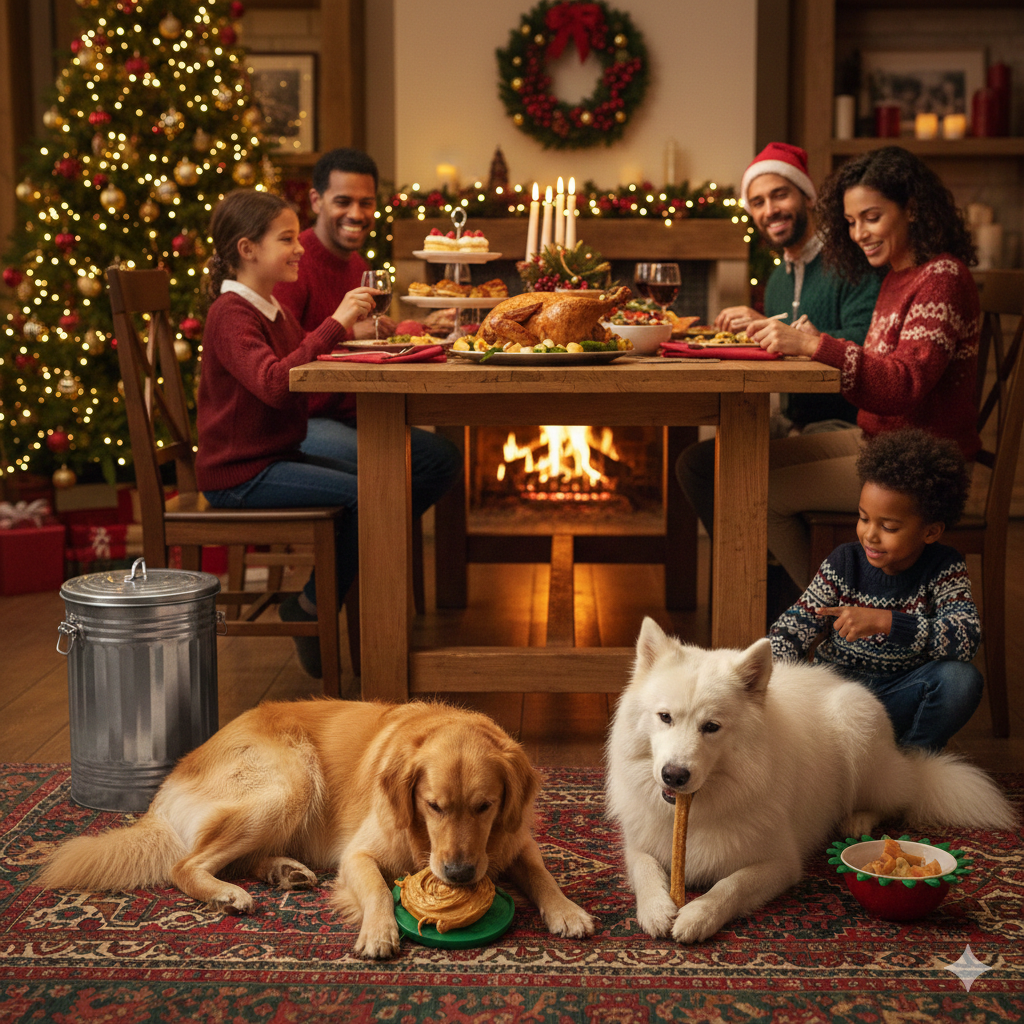
How to Keep Your Dog Safe and Calm When Holiday Guests Visit
To prevent your dog from begging or searching for dropped food, give them their own special holiday treat. A puzzle toy filled with peanut butter (xylitol-free!), a new chew toy, or a long-lasting dental chew can keep them happily occupied while you enjoy your meal.
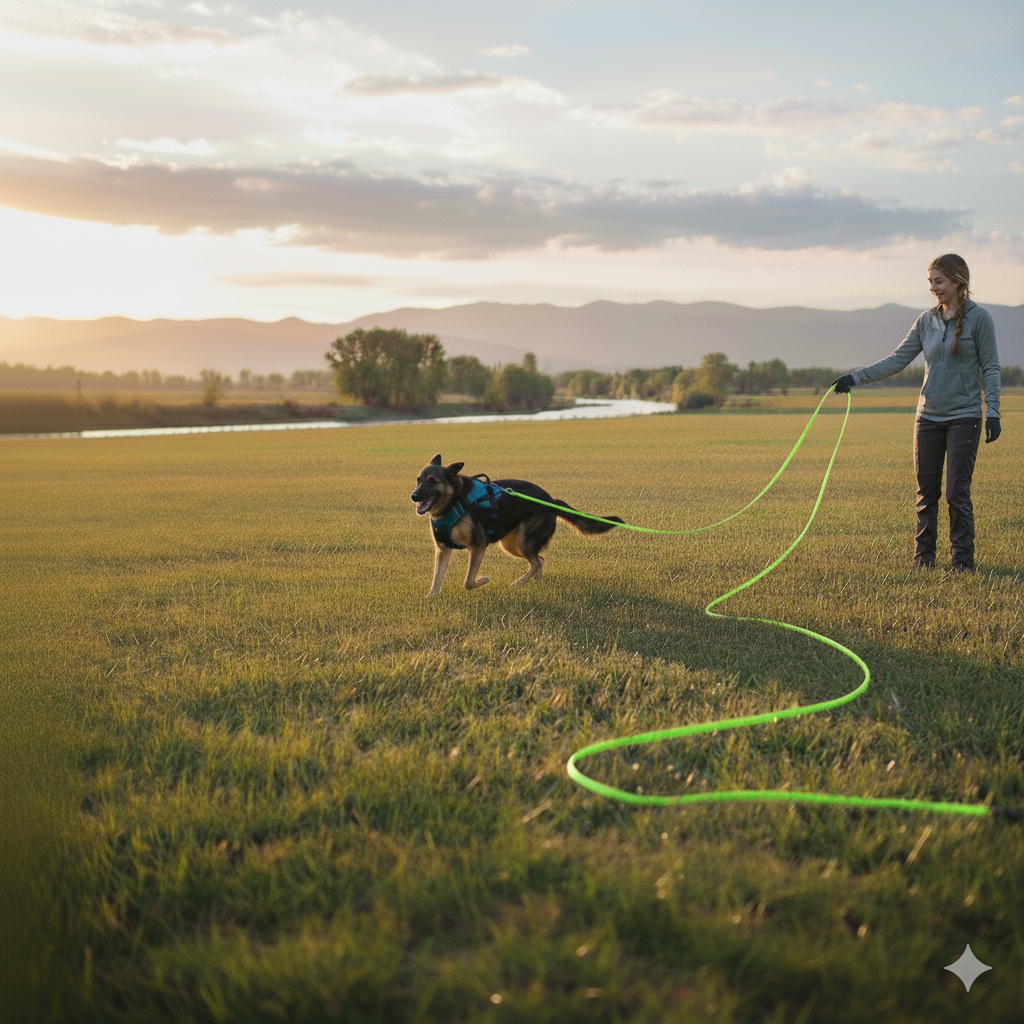
Give Them Freedom, Keep the Control: Training Dogs with a Long Line
The long leash is not a replacement for basic leash manners, but rather a powerful enhancement to your training. It offers your dog the best of both worlds: the freedom to explore and exercise their natural instincts, coupled with your ability to ensure their safety and practice critical life-saving skills.
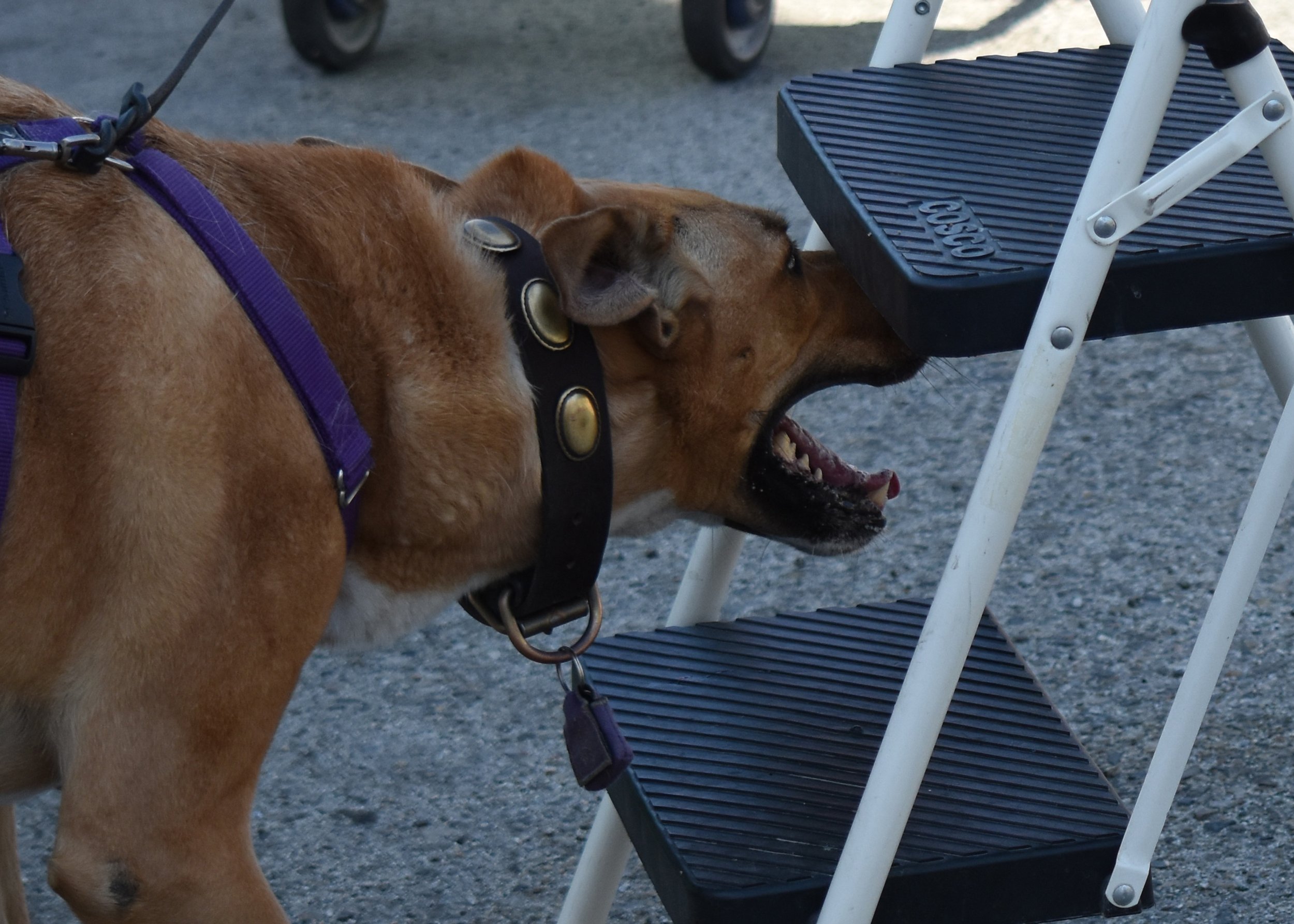
Unleash Your Dog's Nose: Beginner's Guide to Scent Work
At its core, Scent Work is a training activity and sport where your dog is trained to locate specific target odors and alert you to their presence. It mimics the work of professional detection dogs (like those that search for drugs or explosives), but it's adapted for companion dogs in a recreational or competitive setting.

How to Stop Your Dog from Jumping Up on Guests (Effective Training)
Tired of being knocked over every time you walk through the door? 👋 Your dog isn't trying to be rude—they're just too excited! This week's post dives into the only way to stop attention-seeking jumping: the Dramatic Exit method. Plus, learn how to use the "Go to Spot" command to manage that doorbell excitement. Say goodbye to muddy paw prints forever! 🐾
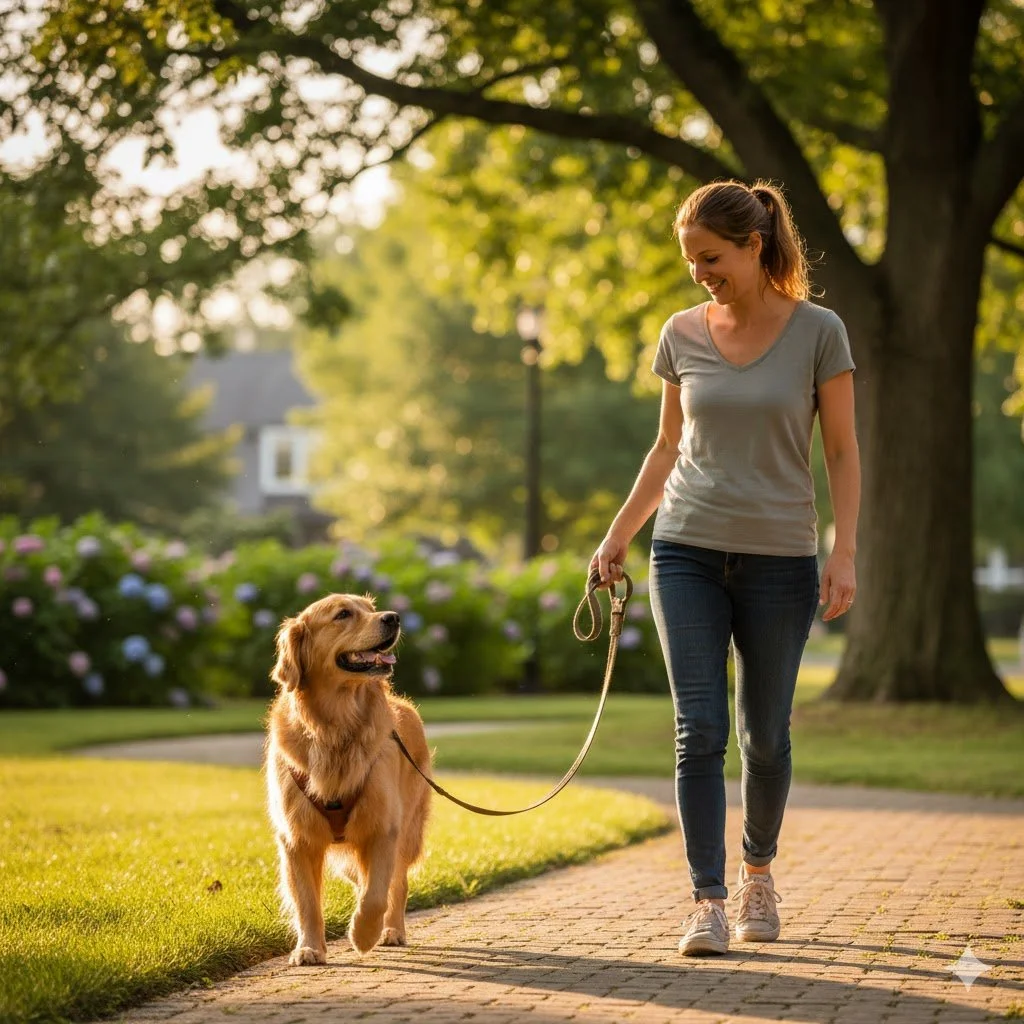
The Tight Leash Trap: Why Your Dog Is Still Pulling (and How to Fix It)
The problems caused by a tight leash extend far beyond simple pulling. Constant tension can lead to a state of chronic stress and frustration, making your dog significantly more likely to become leash reactive.
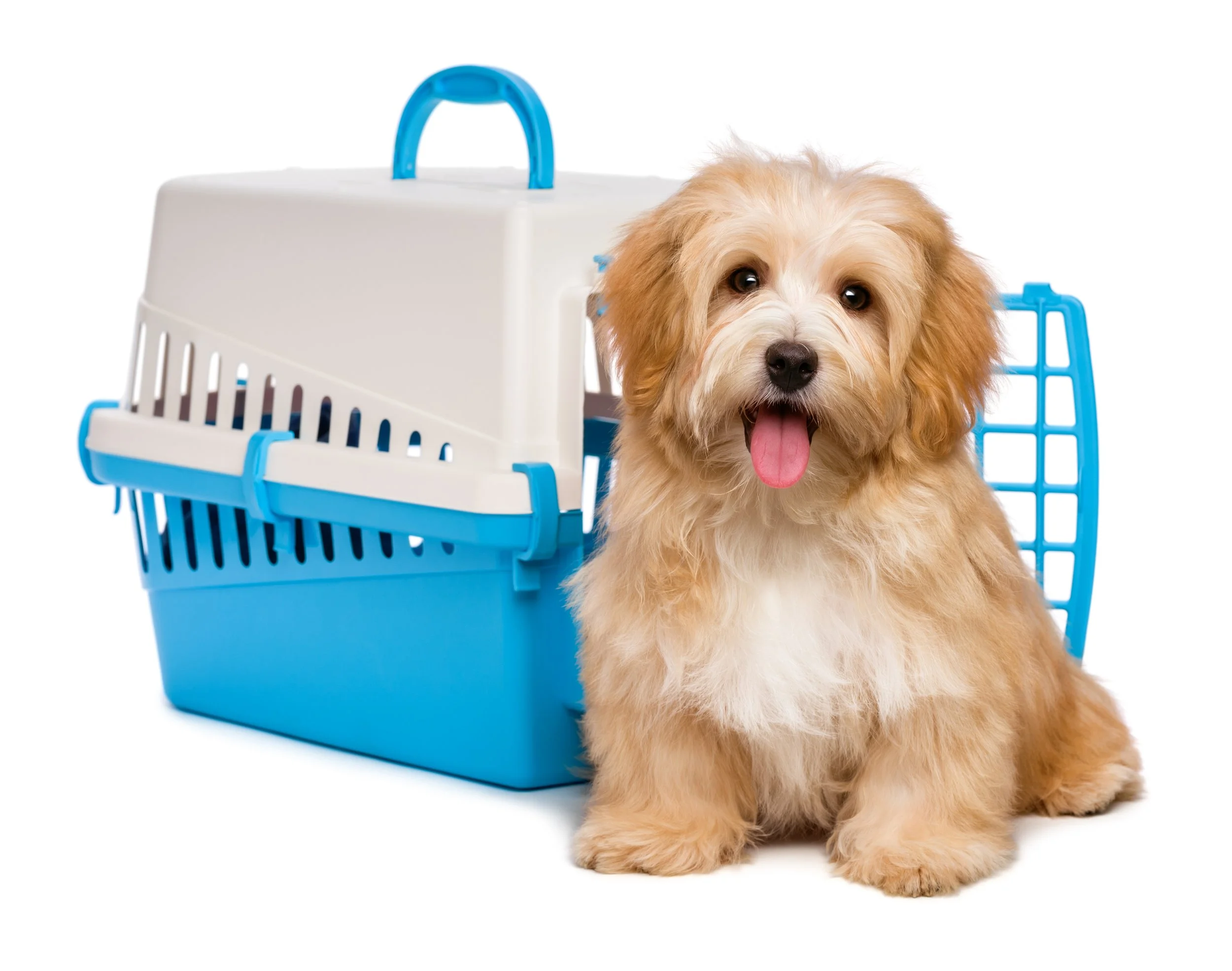
Stop Bad Habits: How to Use Management to Fast-Track Your Dog's Training
We all want a well-behaved dog, right? One that greets guests calmly, doesn't pull on the leash, and generally makes life more joyful (and less chaotic). We diligently attend training classes, practice commands, and celebrate every little victory. But what happens when you're not actively training? That's where the often-underestimated power of management comes in.
From Doorbell Disaster to Gracious Greeter: Training Your Dog to Greet Guests Politely
Training your dog to greet guests politely isn't just about good manners; it's about reducing stress for both your dog and your visitors, and ensuring a safer, more enjoyable experience for everyone.
Let's dive into how you can teach your dog to be a gracious greeter.

Achieving Fluency in Dog Training Behaviors:
Achieving fluency in dog training behaviors requires patience, consistency, and a systematic approach. By focusing specifically on improving latency, speed, and precision, you can develop reliable behaviors that stand up to real-world challenges. Remember that fluency is a journey, not a destination - even well-trained behaviors benefit from ongoing maintenance and reinforcement. The most successful training incorporates these principles into everyday life, creating dogs who respond promptly, perform precisely, and maintain their training in any environment.
Building Confidence in Shy Dogs: Incremental Exposure Techniques
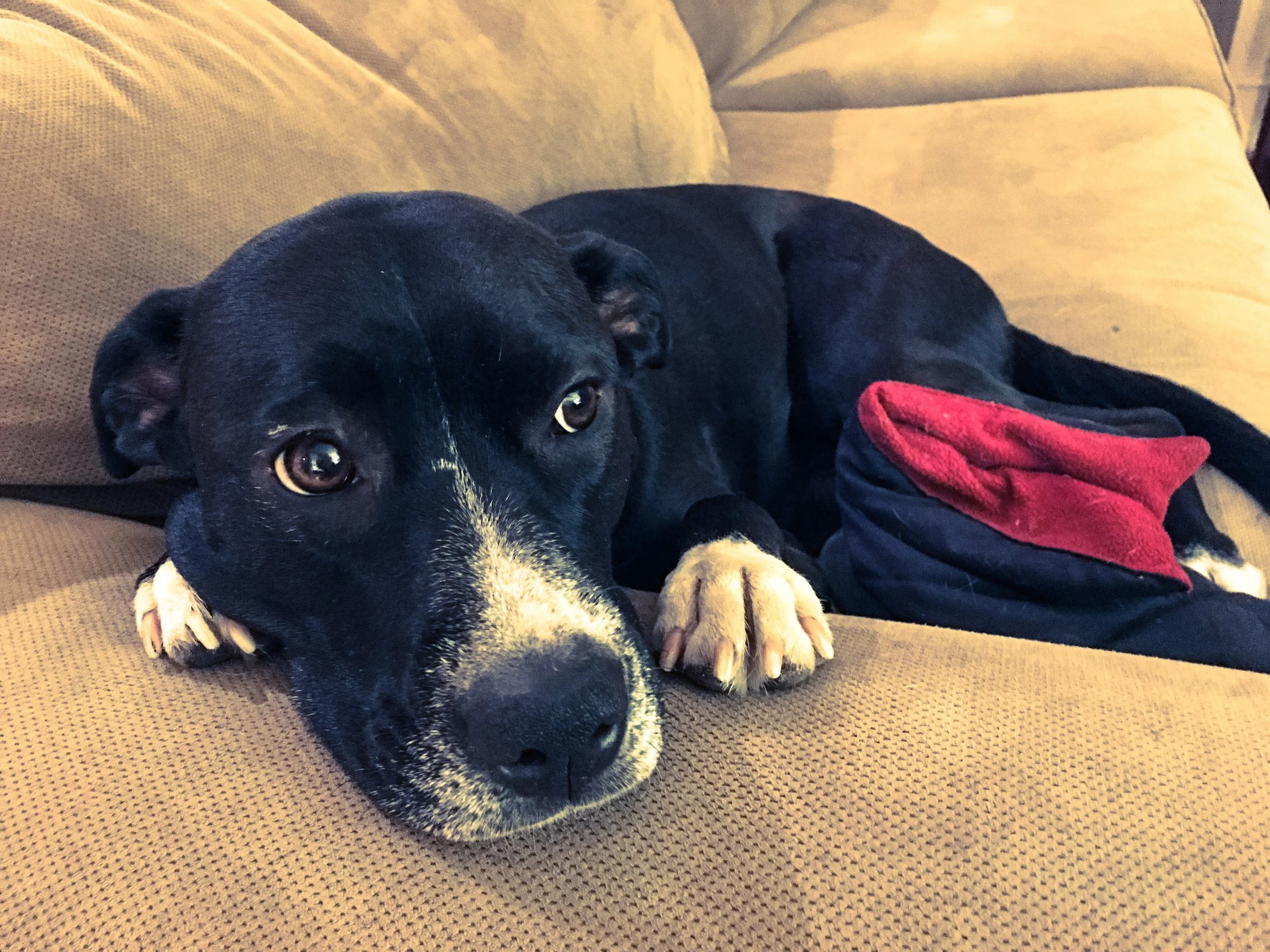
First, you need to understand what makes your dog nervous. Is it loud noises, new people, other dogs, or certain objects? Keep a journal to track their reactions. Note what happens, where it happens, and how intense their reaction is (e.g., tucking their tail, hiding, trembling, or barking). This will be your roadmap.
The Art of Asking Permission: Your Guide to Proper Etiquette for Petting Strange Dogs
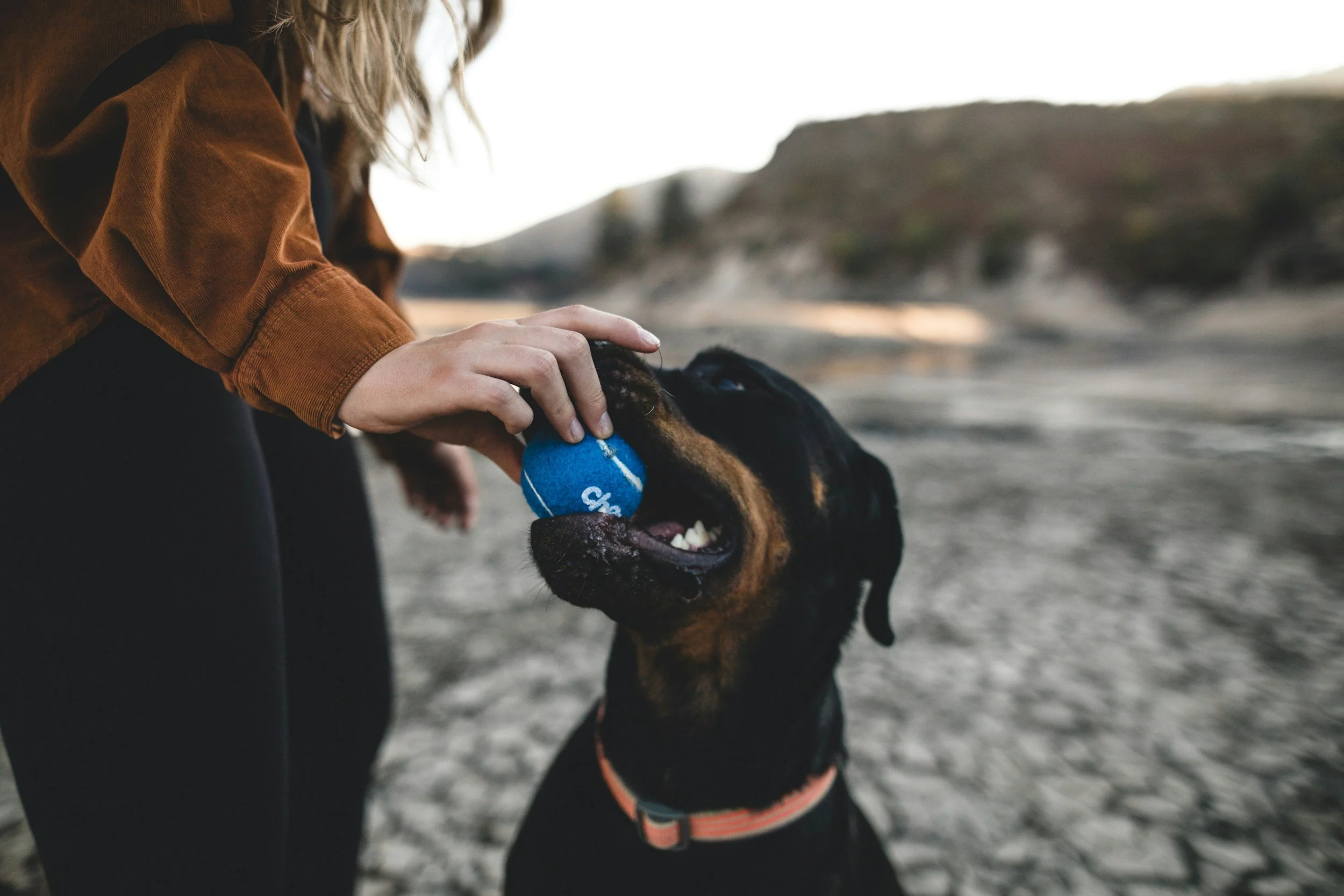
In the world of responsible pet ownership and dog interactions, understanding the etiquette of petting strange dogs isn't just polite; it's essential for dog safety, preventing dog bites, and ensuring a positive experience for everyone involved – especially the dog.
Set Your Dog Up for Success: Realistic Training Goals You Can Achieve
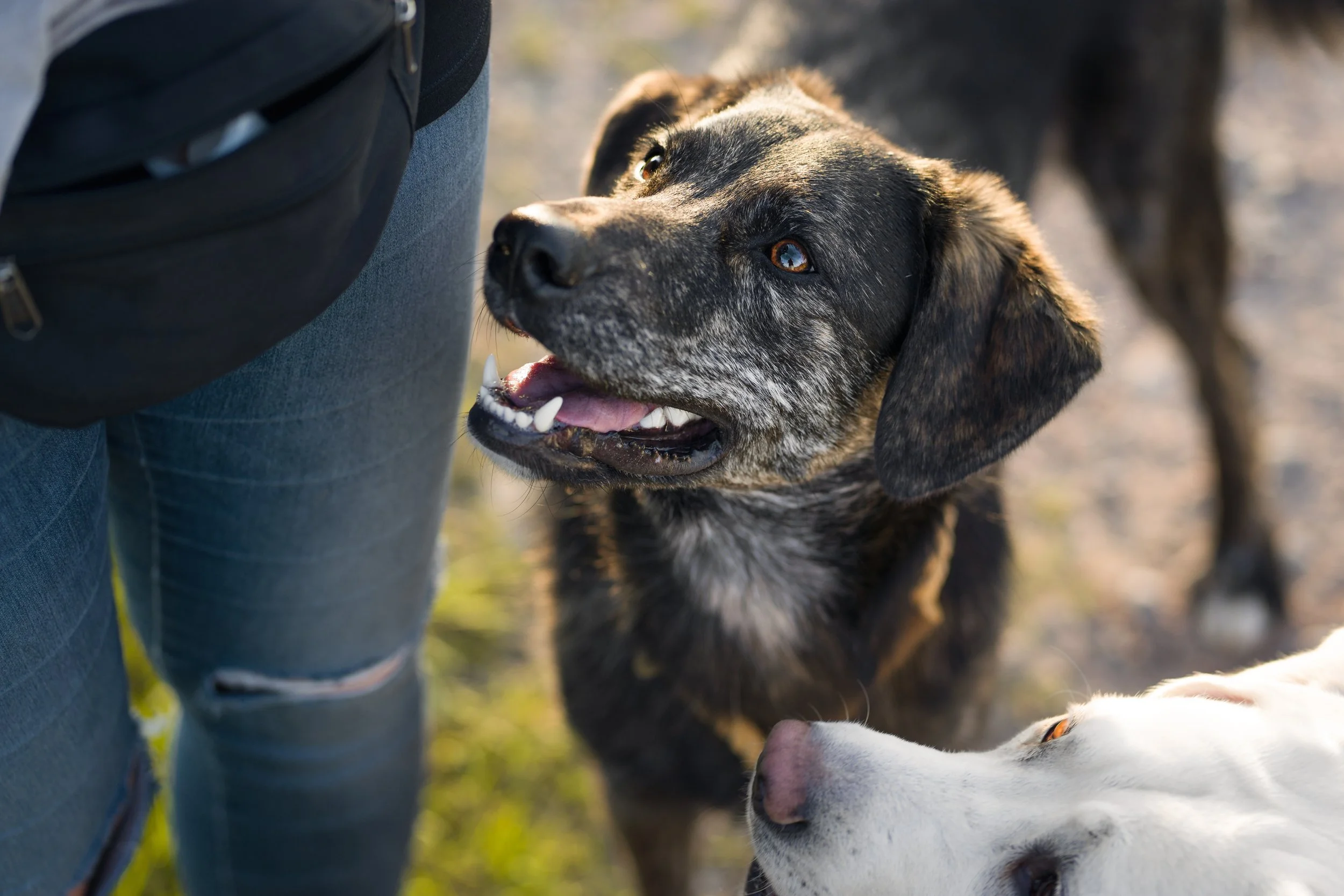
Setting realistic expectations in dog training means understanding your dog's individual needs, celebrating small victories, and recognizing that training is a lifelong journey. By focusing on achievable goals and consistent, positive reinforcement, you'll build a stronger relationship with your dog and enjoy the training process much more. Remember, the goal isn't perfection—it's progress. Each small step forward is worth celebrating, and the bond you build with your dog along the way is the greatest reward of all.
The Active Dog: Why Mental Stimulation Beats Physical Exercise Alone
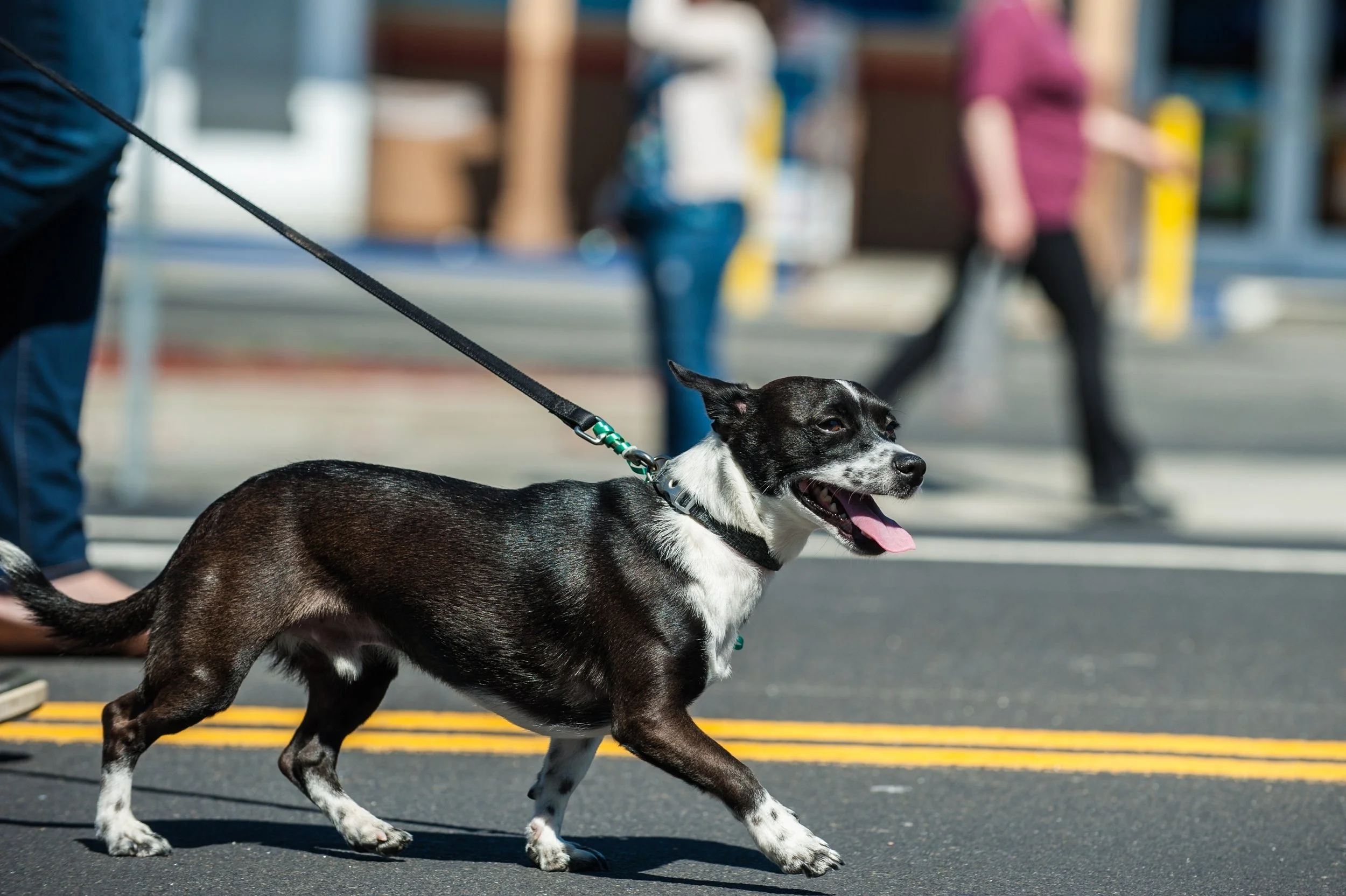
Today, I joined a dog walker and her 7-month-old Australian Shepherd client for their walk. This energetic pup was jumping and nipping at her for the first half of their walks, settling down only later. The dog walker, who clearly cares and is very observant, was understandably puzzled. After observing the walk, the reason for the behavior became crystal clear.
Finding the Right Dog Trainer: A Guide for Dog Owners
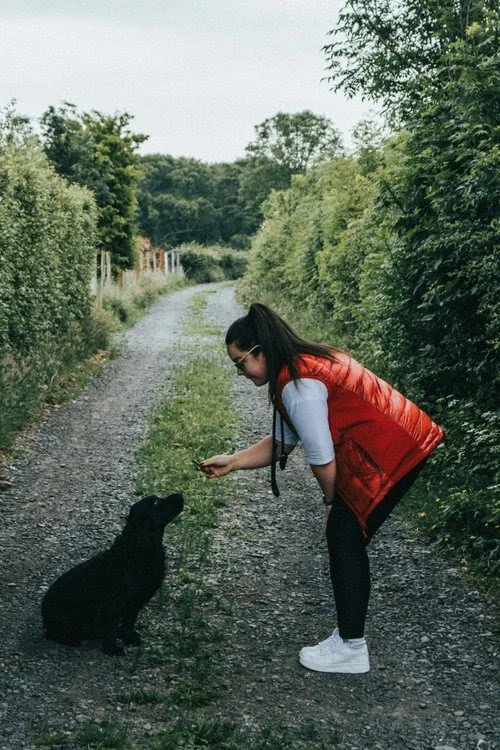
As a dog owner, one of the most important decisions you'll make is choosing the right trainer for your furry friend. A good dog trainer can make a world of difference in your dog's behavior and your relationship with them. Here's what to look for when searching for the perfect trainer.
Canine Disarming: What The.... Heck??
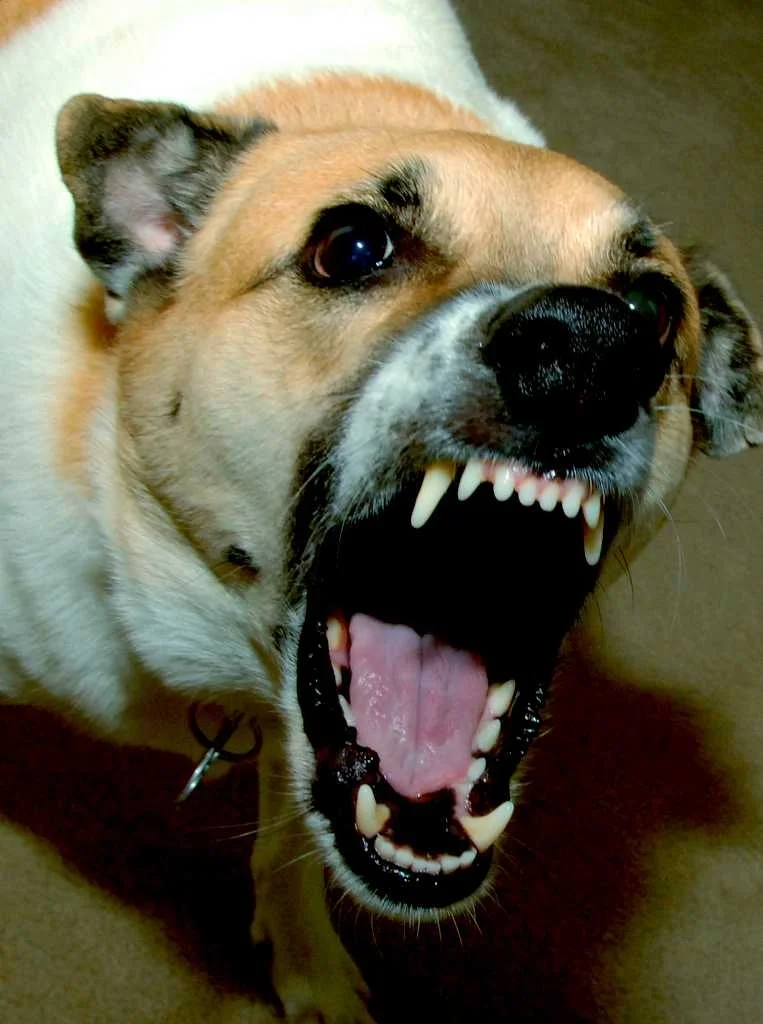
So I'm sure you're envisioning a program where we give dog biscuits to dogs in exchange for their AK-47s and the like. Well, that's not the case here. Canine disarming is about cutting down the canine teeth of a biting dog so he can't do (as much) damage. Now, you may think this is a great solution! The dog is not as much of a liability, which is always a concern when someone owns a dog that bites. However, it makes the owner more...